Greece Athens Tours
Discover the authentic side of Athens’ most charming neighborhood

Plaka, Athens’ oldest neighborhood, sprawls beneath the Acropolis like a labyrinth of narrow streets, neoclassical houses, and endless souvenir shops. While most visitors follow the main thoroughfares lined with tourist-focused tavernas and souvenir stores, the real magic of hidden gems in Plaka lies in its quiet corners, historic buildings, and local haunts that few guidebooks mention.
If you’re planning an Athens tour and want to experience Plaka like a local rather than just another tourist, this guide reveals the neighborhood’s best-kept secrets.
The Ancient Streets Time Forgot
Anafiotika: A Cycladic Village in the Heart of Athens

Tucked beneath the northern slope of the Acropolis lies Anafiotika, a neighborhood so enchanting it feels like you’ve been transported to a Greek island. Built in the 19th century by craftsmen from the island of Anafi, this tiny enclave features whitewashed houses, narrow passages, and spectacular views that most Plaka visitors completely miss.
How to find it: From Plaka’s main square, head toward the Acropolis and follow the signs for the Anafiotika neighborhood. The climb is steep but worth every step.
Best time to visit: Early morning (7-9 AM) or late afternoon when the light is golden, and the area is nearly empty.
Lysikratous Street: Where History Meets Tranquility
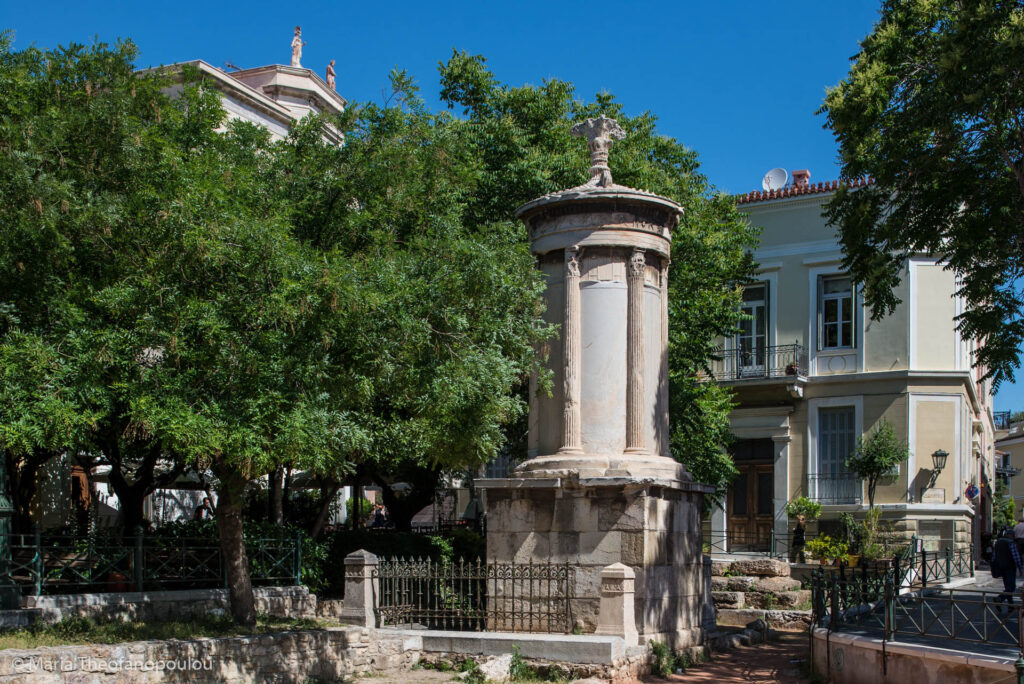
While crowds push through Adrianou Street, just one block over, you’ll find Lysikratous Street, home to the stunning Choragic Monument of Lysicrates. This cylindrical marble structure, dating back to 334 BC, sits in a peaceful square surrounded by orange trees, offering a moment of calm reflection that feels worlds away from the tourist chaos.
The monument is the world’s first known use of exterior Corinthian columns, yet most visitors walk right past without noticing. Sit on the benches here, and you might share the space with local residents reading their morning papers.
Authentic Dining: Where Athenians Actually Eat
Klimataria
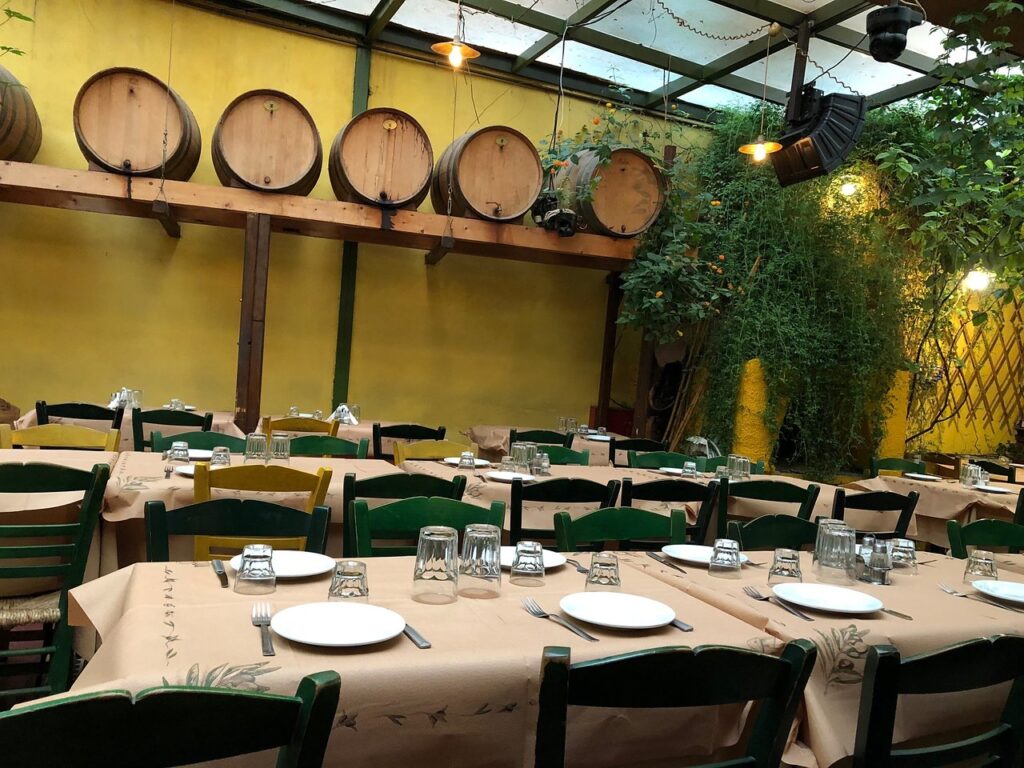
While most Plaka tavernas blast Greek music and wave menus at passersby, Klimataria on Klepsydras Street has been serving authentic home cooking since 1927. This family-run establishment features wine barrels lining the walls, checkered tablecloths, and dishes that taste like they came from a Greek grandmother’s kitchen.
Must-try: Their moussaka is legendary, and the house wine flows freely. Reservations recommended for dinner.
Local tip: The taverna is closed on Sundays, and they don’t take credit cards, so bring cash.
Saita
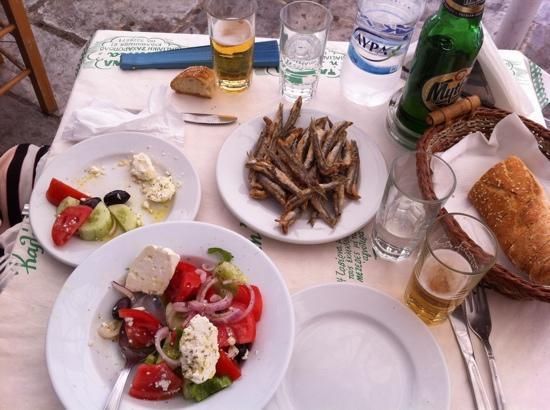
Hidden on a side street near the Roman Agora, Saita is an unpretentious ouzeri where neighborhood residents gather for mezedes and conversation. The menu changes based on what’s fresh at the market, and the owner remembers regular customers’ favorite dishes.
Unlike tourist-focused spots, Saita doesn’t have an English menu, but the staff patiently explains each dish. This is where you taste real Greek food, not the version created for foreign palates.
Cultural Treasures Off the Beaten Path
The Museum of Greek Folk Musical Instruments

Located in the Lassanis Mansion on Diogenous Street, this small museum showcases over 1,200 Greek musical instruments dating from the 18th century to today. Many visitors walk right past the unassuming entrance, missing one of Athens’ most unique collections.
Why visit: Free admission, air-conditioned rooms (a blessing in summer), and listening stations where you can hear how each instrument sounds. The courtyard café is also a peaceful retreat.
Open: Tuesday-Sunday, 10:00-14:00 (closed Mondays)
The Church of Saint Aikaterini
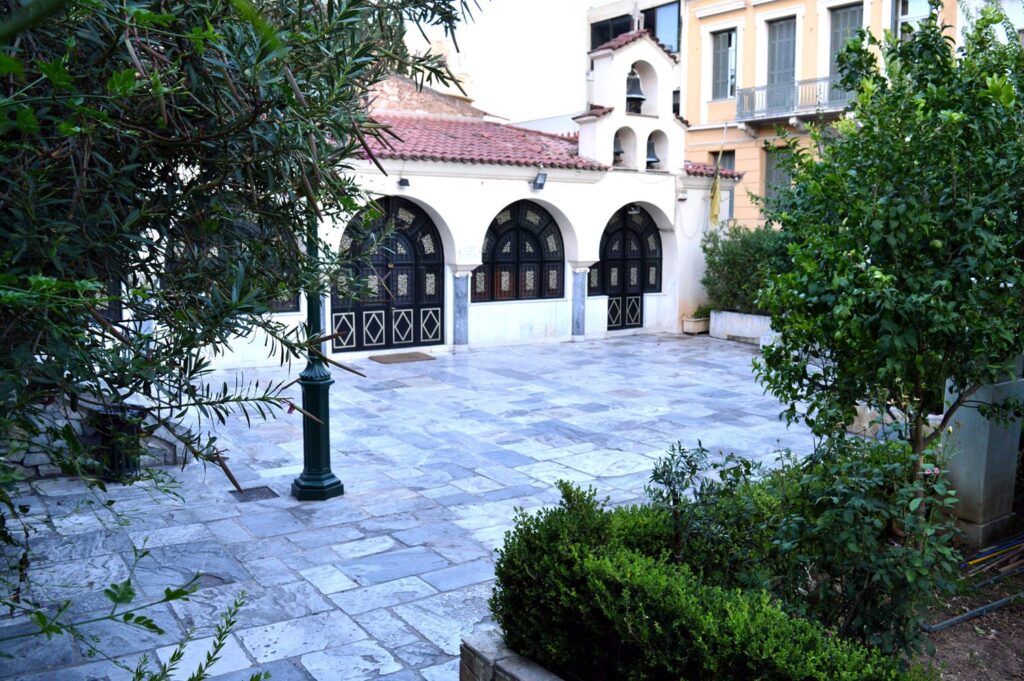
While tourists flock to larger churches, this 11th-century Byzantine gem sits quietly in a tree-filled square. The church features beautiful frescoes, intricate wood carvings, and an atmosphere of genuine devotion rather than tourist spectacle.
Visit during a service (usually early morning or evening) to experience authentic Orthodox worship with candles, incense, and Byzantine chanting echoing off ancient stone walls.
Shopping for Substance, Not Souvenirs
Forget Me Not
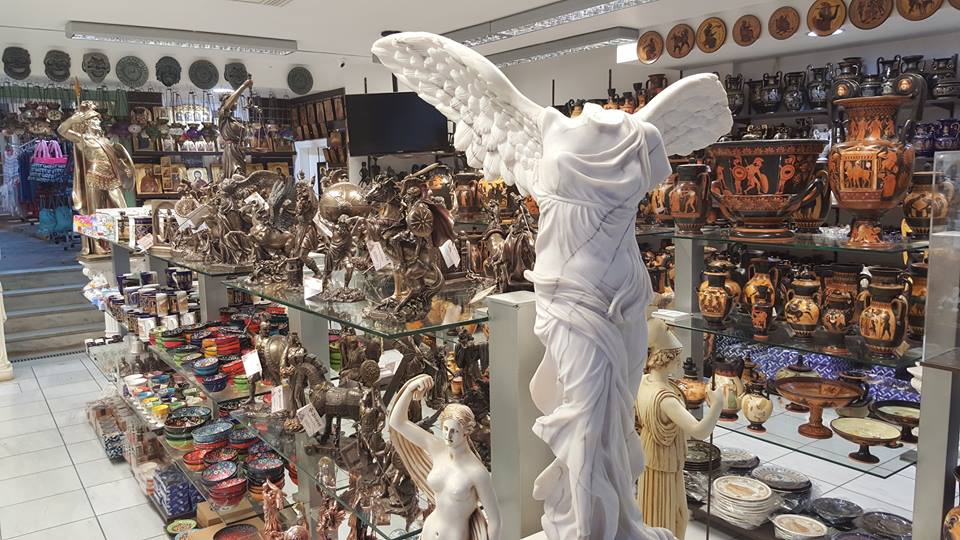
On Adrianou Street (yes, the main drag), but easy to miss among the souvenir shops, Forget Me Not sells genuine Greek products made by local artisans. Think handwoven textiles from mountain villages, organic olive oil soaps, and jewelry designed by Athens-based creators.
What makes it different: Every item has a story, and the owner can tell you which village or artist made each piece. Prices are fair, and the quality is incomparable to mass-produced tourist items.
Melissinos Art Sandals
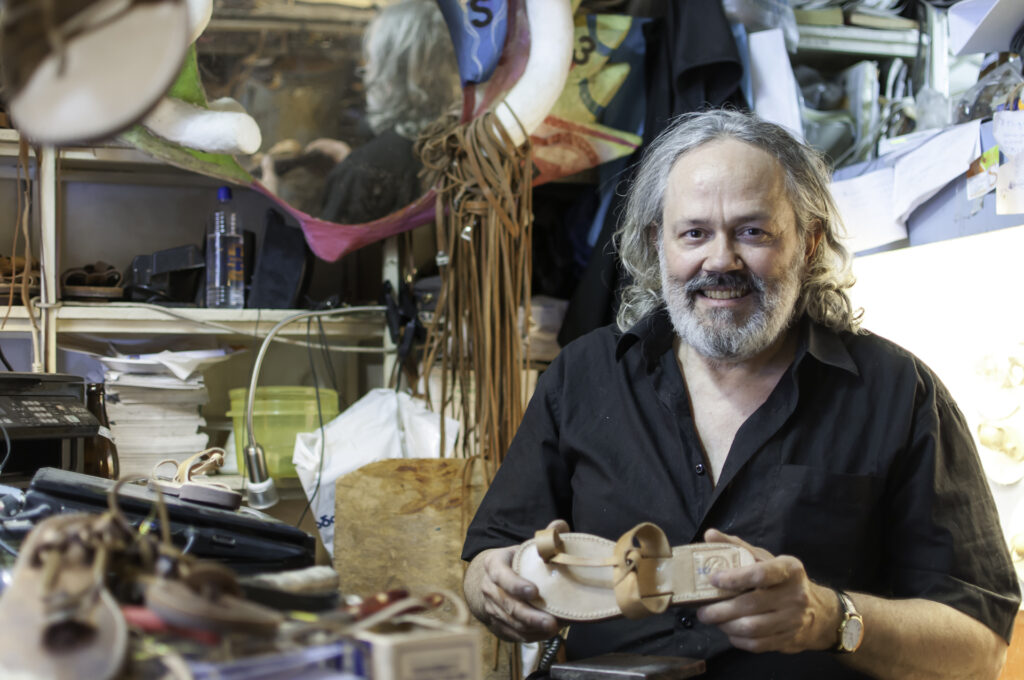
The “poet sandal-maker of Athens” has been crafting leather sandals since 1920. This isn’t just a shop; it’s a workshop where you can watch sandals being made using techniques unchanged for generations. The walls are covered with photos of famous customers, from John Lennon to Sophia Loren.
Experience: Custom-made sandals take about 20 minutes. While you wait, browse the owner’s published poetry or simply watch the craft in action.
Hidden Gems in Plaka -Viewpoints and Photo Spots
Pnyx Hill’s Secret Entrance
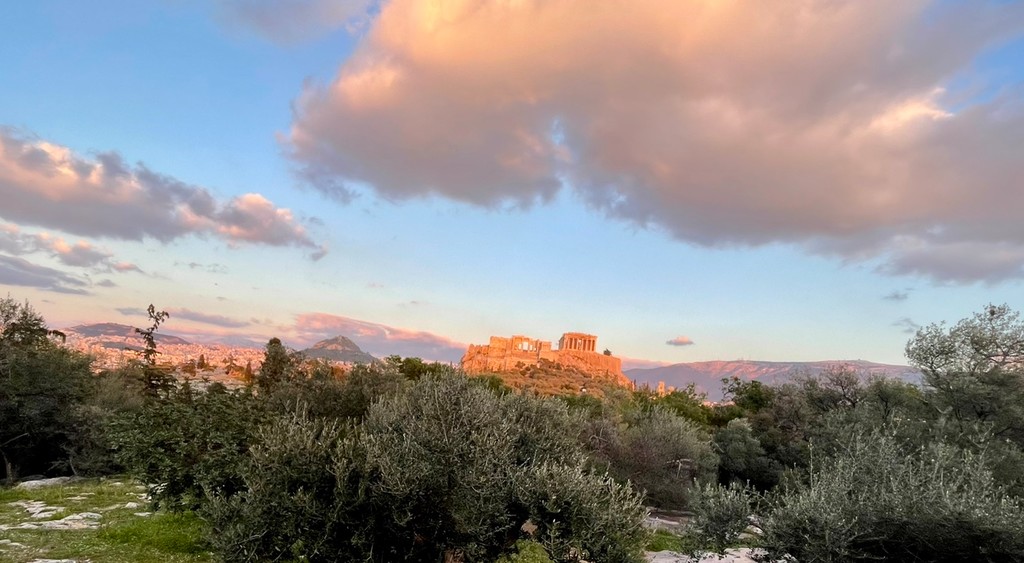
Most tourists photograph the Acropolis from below, but locals know that Pnyx Hill offers the best views for sunset photography. The hill, where ancient Athenian democracy was born, provides an unobstructed panorama of the city with the Acropolis as your backdrop.
How to get there: From Plaka, follow the path from Dionysios Areopagitou Street. The climb takes about 15 minutes and is much less crowded than Lycabettus Hill.
Best time: 45 minutes before sunset for golden hour photography.
The Roman Agora’s Quiet Corner
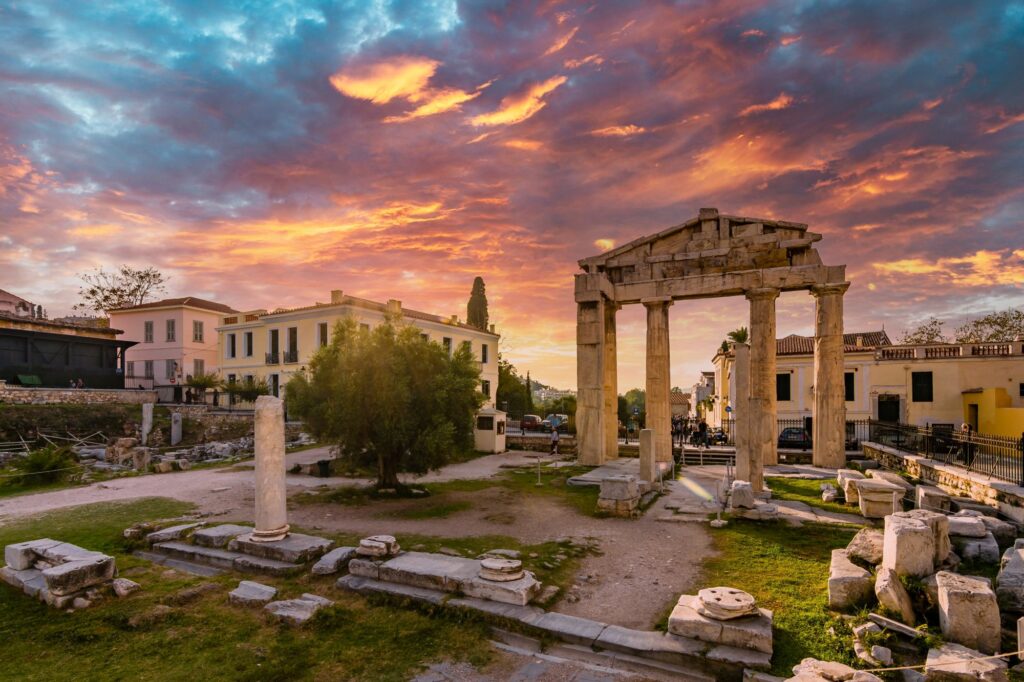
While everyone photographs the Tower of the Winds from outside, venture into the Roman Agora archaeological site itself. The northeastern corner near the Gate offers stunning compositions with far fewer people in your shots.
The Coffee Shop Locals Love
Little Kook (but at the right time)

Yes, Little Kook is Instagram-famous, but here’s the secret: visit on a weekday morning at 9 AM. You’ll avoid the crowds, enjoy your coffee in peace, and still experience the fairytale-themed décor that changes with the seasons. The hot chocolate is genuinely excellent, not just photogenic.
Oraia Hellas
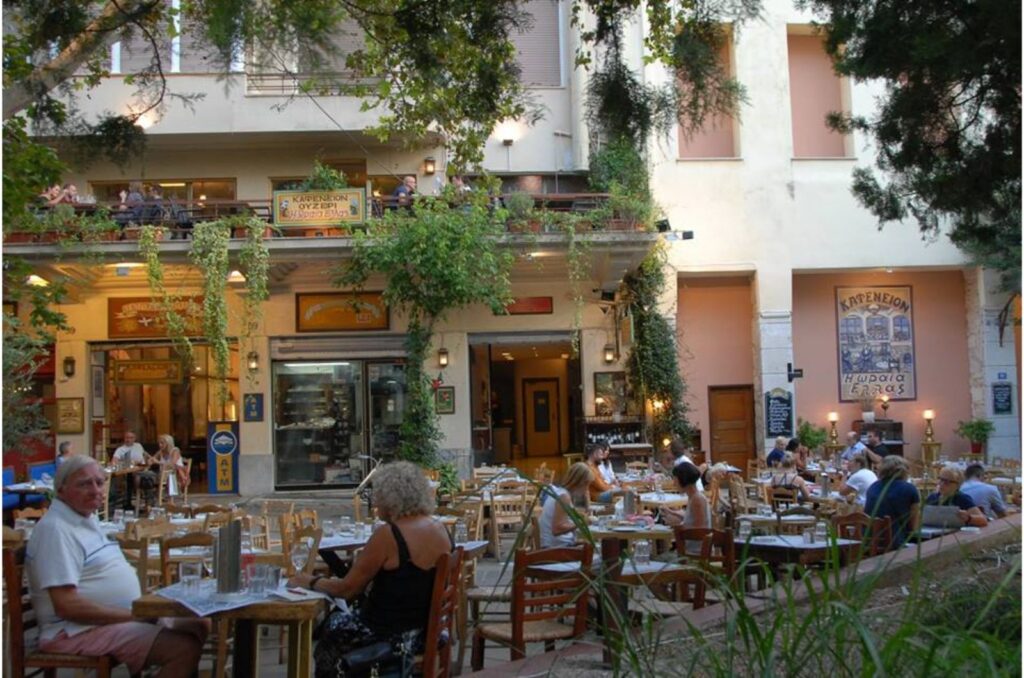
For an authentic coffee experience, seek out Oraia Hellas, a traditional kafeneio where elderly Athenians gather to play backgammon and discuss politics. Order a Greek coffee (not espresso), sit at the marble tables, and observe daily life that hasn’t changed in decades.
Cultural note: This is primarily a male space in traditional Greek culture, but tourists are welcome. Women traveling alone may prefer to visit with a group or during busier afternoon hours.
Practical Tips for Exploring Hidden Plaka
Best time to explore: Early morning (7-10 AM) before tour groups arrive, or late afternoon after 5 PM when the crowds thin out.
Wear comfortable shoes: Plaka’s marble streets are beautiful but slippery, especially after rain. The cobblestones are uneven, so skip the heels.
Get deliberately lost: The best discoveries happen when you abandon the map and wander. Plaka is small enough that you can’t truly get lost, but large enough to reward exploration.
Respect residential areas: Remember that people actually live in these beautiful houses. Keep noise down and don’t peer into windows or private courtyards.
Bring cash: Many smaller establishments don’t accept cards, and some ATMs in the tourist areas charge high fees.
Connecting Your Plaka Exploration with Deeper Athens Discovery
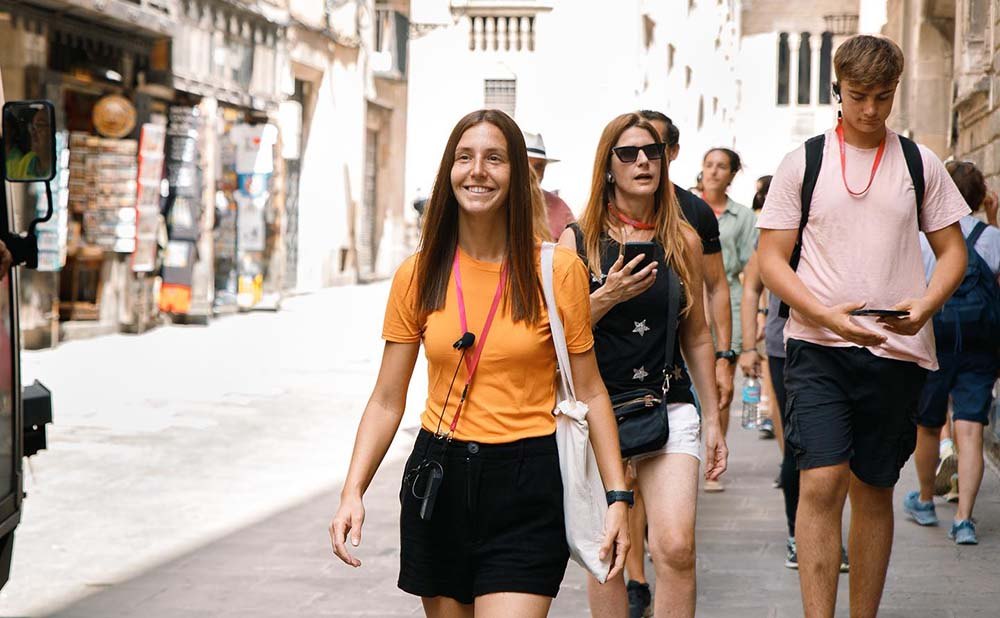
While exploring Plaka independently reveals its hidden corners, combining your wandering with a guided Athens tour provides historical context that brings the neighborhood fully to life. A knowledgeable local guide can share stories about the families who’ve lived here for generations, point out architectural details you’d otherwise miss, and explain how Plaka evolved from ancient times to today.
Our Athens Tour includes time in Plaka’s lesser-known areas, allowing you to experience both the iconic sites and the authentic neighborhoods that make Athens special. For visitors with limited time, a half-day guided tour followed by independent exploration lets you make the most of your Athens experience.
Beyond Plaka: Exploring More of Athens’ Hidden Neighborhoods
Once you’ve discovered Plaka’s secrets, consider exploring other historic Athens neighborhoods:
- Anafiotika (technically part of Plaka but worth its own extended visit)
- Psyrri: Athens’ arts district with street art and live music venues
- Exarchia: The bohemian neighborhood loved by students and artists
- Kolonaki: Upscale shopping and café culture on Lycabettus Hill slopes
Each neighborhood offers its own character and hidden gems worth discovering.
Final Thoughts
Plaka’s tourist shops and busy tavernas serve their purpose, but the neighborhood’s true soul lives in its quiet courtyards, family-run eateries, and ancient streets where history feels tangible rather than curated. By venturing beyond the obvious attractions, you’ll experience the Plaka that Athenians treasure—a living neighborhood where past and present coexist in daily life.
The next time someone tells you they’ve “done” Plaka in an hour, smile knowingly. You’ll understand what they missed.
Planning your Athens visit? Contact GreeceAthens Tours to customize a private tour that combines iconic landmarks with hidden neighborhood gems. Our local guides know Athens that guidebooks don’t reveal.